
Deep Earth Labs
BY WOODLAND EDIBLES
Below ground
Count what is living in your soil.
A certified Soil Food Web lab technician reads your sample under the microscope and tells you what your soil is made of, what is missing and what to do about it.
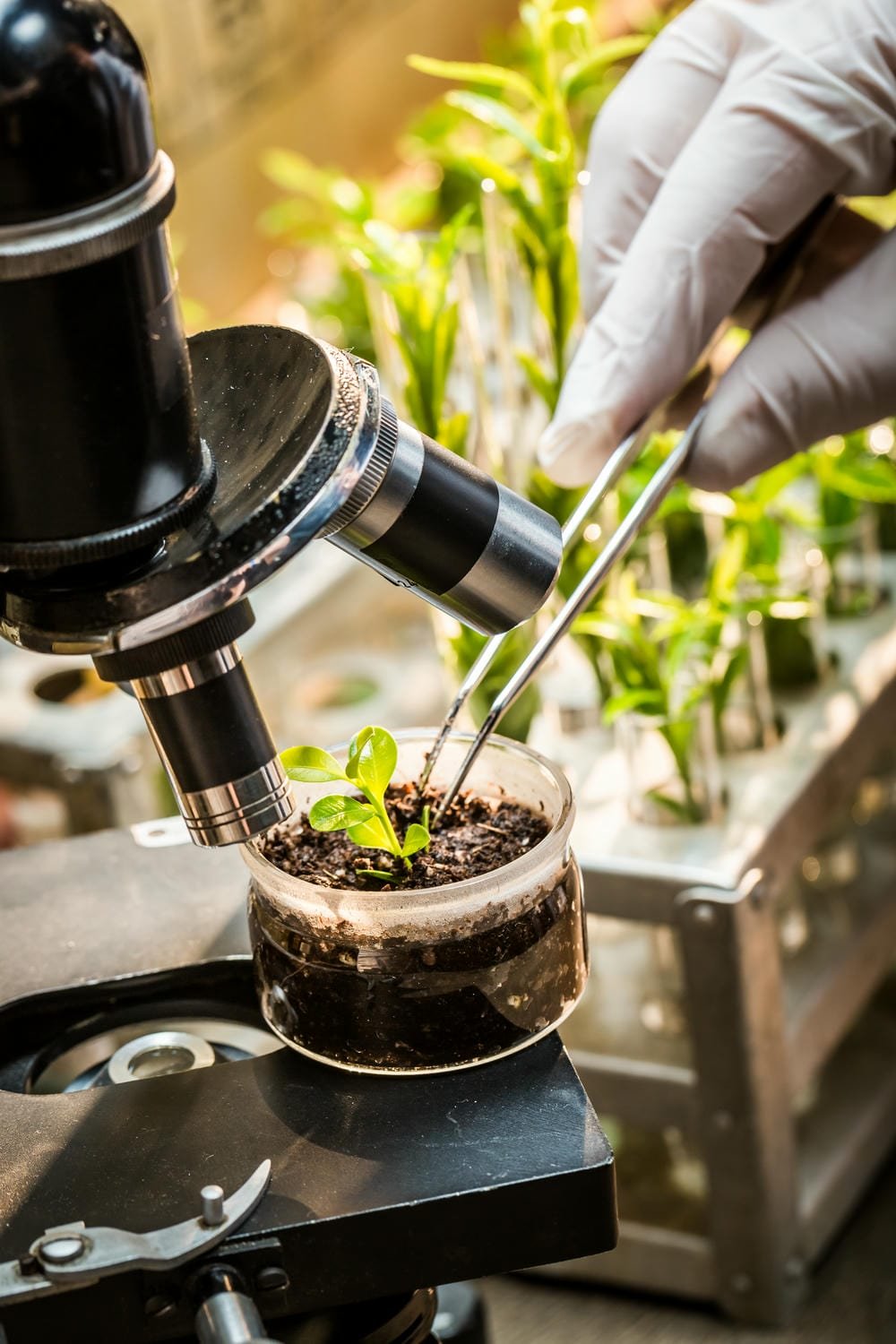
Why soil biology matters
The most crowded place on Earth is under your feet.
Leonardo da Vinci is credited with the observation that we know more about the movement of the heavens than about the soil underfoot. Five centuries on, the soil still keeps most of its secrets.
An astonishing abundance
Researchers estimate that about 59 percent of all species on Earth live in soil. Bacteria, fungi, protozoa and nematodes are microscopic. Larger soil life like earthworms and centipedes join them.

Partners for your plants
Soil bacteria and single-celled organisms process nutrients like nitrogen into forms plants can use. Fungi partner with roots, reaching water and nutrients far beyond them in exchange for sugars the plant makes in sunlight.
An invisible influence
One handful of soil holds more microbes than there are people on the planet. Just as gut microbes shape human health, the soil microbiome shapes plant vitality.
Thanks to decades of research by biologist Dr. Elaine Ingham, ecologist Suzanne Simard and mycologists Paul Stamets and Tradd Cotter, we can now measure and use the full scope of soil biology to keep your plants healthy and restore your environment.
What we offer
Tests and products from the lab.
Qualitative check
$30. Color, smell and a first microscope look for signs of life. The easy place to start.
Order →
Start here
Complete Soil Food Web
$95 per sample, $85 each for 4 to 6 samples. Counts the major groups of soil organisms.
Order →
Most popular
Plant tissue testing
Check real plant health and uncover nutrient gaps.
Learn more →
Mycology and ID
Mushroom identification by a state-approved expert.
Learn more →
Compost, teas and extracts
Certified bio-complete compost and biology-rich teas.
Learn more →
On-site visits
Our soil master gardeners come to you for testing, mapping and design.
Book →

How a test works
From a scoop of dirt to a plan.
Scroll through the four steps.
1
2
3
4
STEP 1 OF 4
Order
Pick your test in the shop
Choose the Qualitative Assessment ($30) or the Complete Soil Food Web Assessment ($95 per sample, $85 each for 4 to 6 samples), then check out. Read the sampling guide on this site while your order is on its way.


1
2
3
4
STEP 2 OF 4
Sample
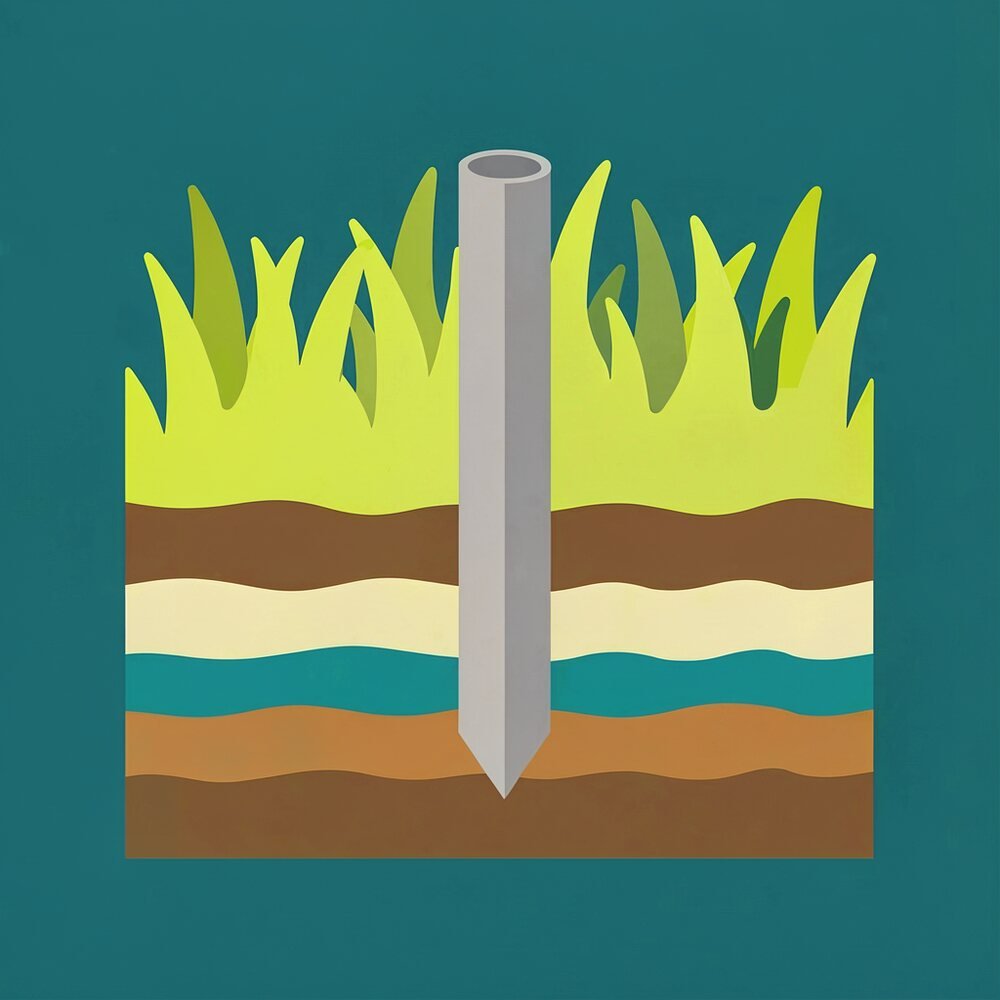
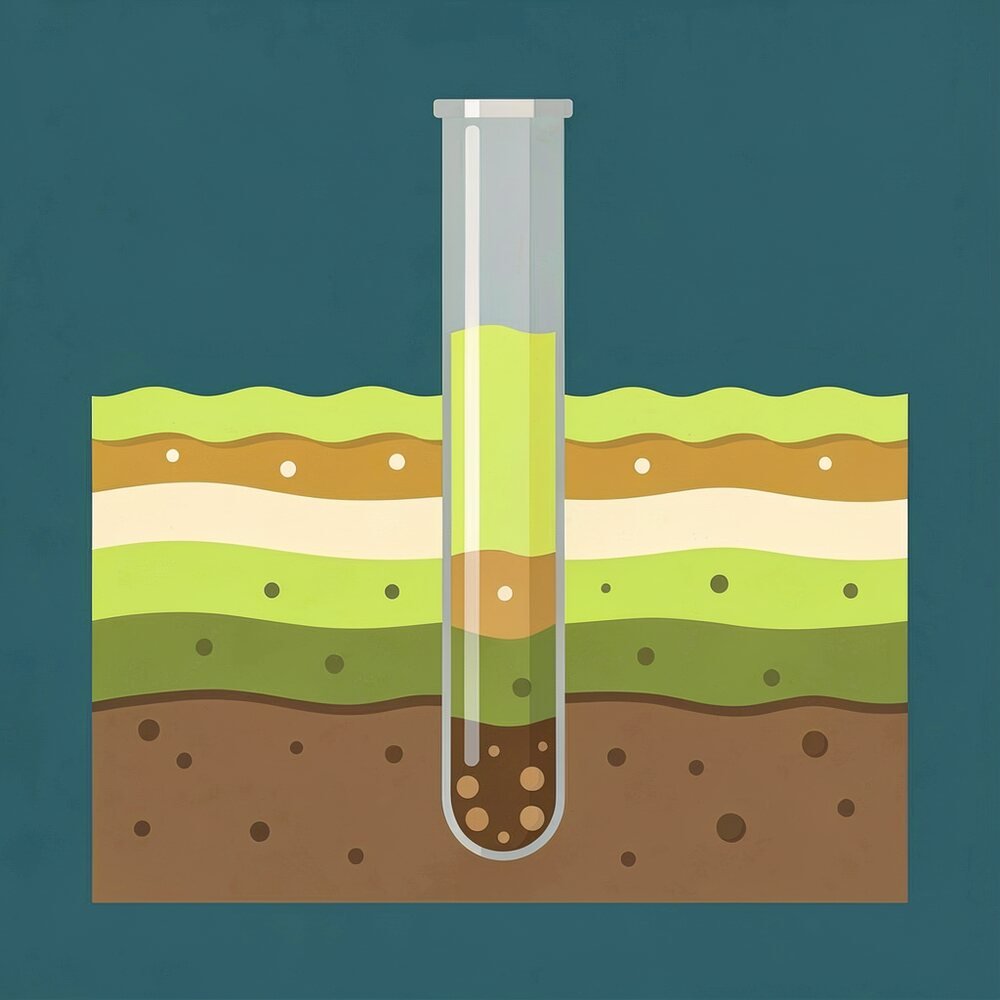
Pull a few small cores
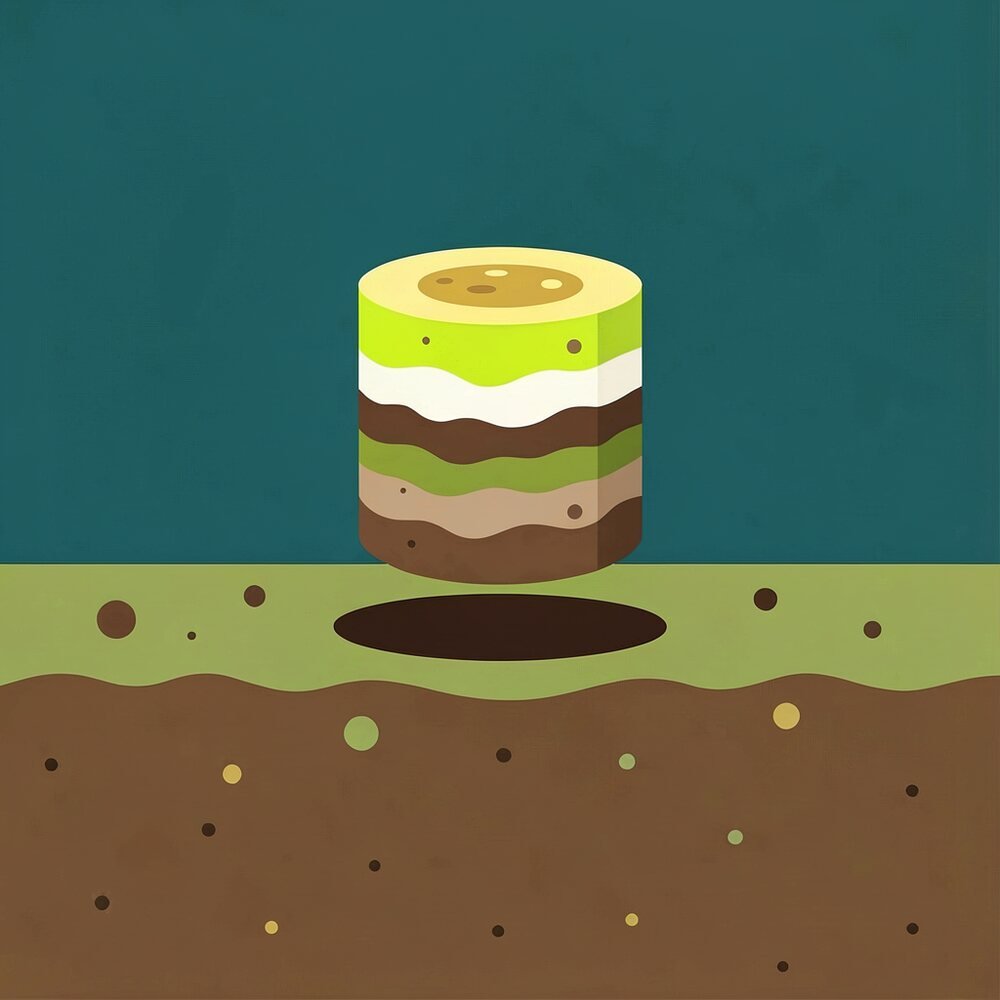
Take cores about 1 inch wide and 3 inches deep. Bag them together with the air left in, because your soil biology needs to breathe, and label the outside with the sample name and date.

1
2
3
4
STEP 3 OF 4
Microscope
We count what is living in it
Our certified lab technician looks at your sample under the microscope, then counts and identifies the bacteria, fungi, protozoa, nematodes and disease organisms in it.



1
2
3
4
STEP 4 OF 4
Report
A plain-English plan
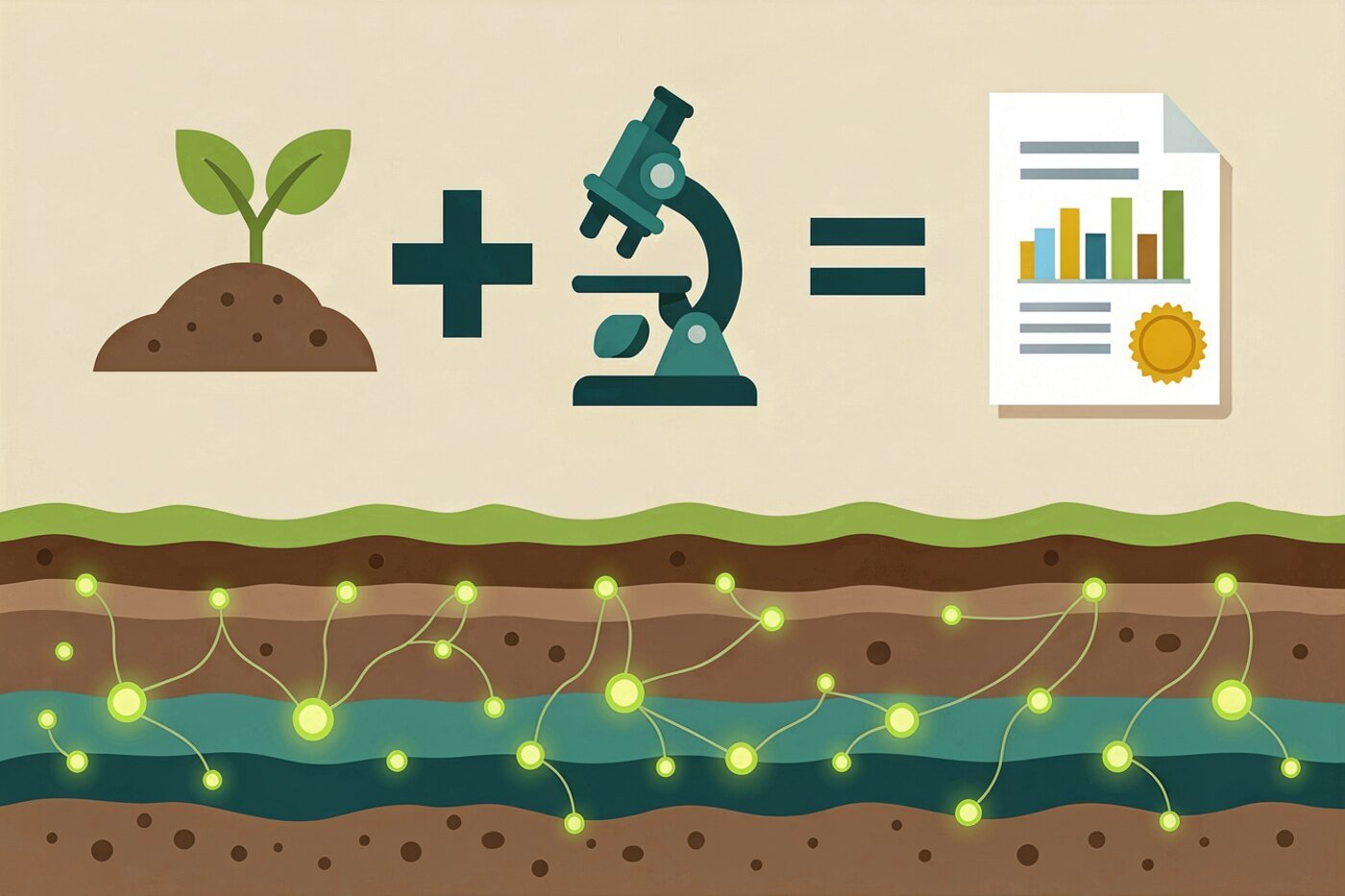
You get a report on what we found and what it means for your plants, with clear next steps for building the soil life your garden needs.



Case study
See what a soil food web report finds.
A real assessment, a real garden, and what we changed because of it.
Case study details coming soon
Questions
Good questions, straight answers.
Do I need a lab test or a qualitative check first?
If you are not sure where to begin, start with the Qualitative Assessment. It checks color, smell and microbial life. If we find organisms beyond bacteria, we will tell you so you can decide whether a Complete Soil Food Web Assessment is worth it.
How many cores and what depth do I need?
About 1 inch wide by 3 inches deep per core, with the number of cores depending on what you are sampling. The How to Sample page walks through each situation.
Why is the bag left open to air?
Your soil biology needs to breathe. We ask you to seal the bag with air left inside, never more than half full.
Can I test a compost tea?
Compost tea is extremely time sensitive. If you are local to our lab, contact us to set up a test. Compost extracts can be shipped but must go overnight.
What do I get back?
A report with population estimates for each group, and a plain-English explanation of what it means for your plants and what to do next.
Find out what your soil is saying.
Start with a $30 qualitative check or go straight to the complete assessment.